Wireless temperature and humidity monitors have fundamentally transformed the collection and management of environmental data through their convenience, intelligence, and cost-effectiveness, offering distinct advantages over traditional wired devices or manual recording methods.
Here is a detailed analysis of their core benefits:
1. Unparalleled Deployment Convenience and Flexibility
Eliminates Complex Wiring: The greatest advantage is the removal of cables, overcoming limitations of distance and physical structure. This is a decisive benefit for historical buildings, large warehouses, already-renovated laboratories, or sites with frequently changing layouts.
Plug-and-Play: Devices begin working immediately after powering on and connecting to the network, enabling extremely rapid deployment and significantly shortening project timelines.
Flexible Repositioning: Monitoring points can be easily moved to new locations as needed—for instance, to track specific goods or optimize sensor placement—at minimal cost.
2. Significantly Reduced Overall Costs
Saves Installation Costs: Eliminates high expenses for cables, conduits, trenching, and manual labor associated with wiring.
Saves Maintenance Costs: Avoids potential failures inherent to physical wiring (e.g., wear and tear, breaks, oxidized connectors), reducing long-term maintenance challenges and costs.
Easy Scalability: Adding new monitoring points requires only purchasing new wireless units, without the need to consider cable capacity or complex construction work, making expansion highly straightforward and cost-effective.
3. Real-Time Data and Instant Alerts
7x24 Continuous Monitoring: Records temperature and humidity data constantly, providing a complete, gap-free data history and avoiding omissions or data falsification possible with manual logging.
Second-Level Alerts: If values exceed predefined safe thresholds (e.g., pharmaceutical fridge temperature > 8°C, or data center humidity < 20%), the system can notify relevant personnel within seconds via mobile app, SMS, email, or audible/visual alarms, enabling rapid intervention to prevent loss.
Remote Control: Managers can view environmental conditions from anywhere in the world via computer or smartphone without being on-site, enabling true remote management.
4. Powerful Data Management and Analysis Capabilities
Massive Automated Logging: Devices automatically record data at set intervals (e.g., every minute) and store it in the cloud or on a local server, creating vast, objective historical databases.
Data Visualization & Analysis: Accompanying software platforms automatically generate trend charts and data reports, helping users clearly understand environmental patterns and providing data support for process optimization.
Compliance & Audit Ready: In heavily regulated industries like pharmaceuticals, food, and chemicals, the system generates tamper-evident electronic records that fully comply with data integrity requirements of standards like GMP, GSP, and FDA, easily facing audits and certifications.
5. Enhanced Safety and Reliability
Reduces Human Interference & Error: Automated logging eliminates potential transcription errors, subjective judgments, or data tampering associated with manual recording.
Ensures Personnel Safety: Deploying wired sensors in hazardous environments (e.g., chemical storage areas, high-voltage rooms) requires risky installation work. Wireless devices can be deployed safely and quickly.
Stable Network Connection: Modern wireless technologies (e.g., 4G/5G, LoRaWAN, NB-IoT) offer excellent range, penetration, and anti-interference capabilities, ensuring stable data transmission.
Typical Application Scenarios
Pharmaceutical & Cold Chain Logistics: Ensures vaccines, medicines, and fresh food remain within specified temperature and humidity ranges throughout transport and storage.
Data Centers & Server Rooms: Precisely monitors the operating environment of IT equipment to prevent failures caused by overheating or excessive humidity.
Museums & Archives: Protects precious artifacts, paintings, and documents from damage due to inappropriate temperature and humidity.
Smart Agriculture & Greenhouses: Remotely monitors greenhouse conditions to inform precise environmental control.
Industrial Production & Warehousing: Safeguards the storage quality of raw materials and finished products, such as in warehouses for tobacco, electronic components, and textiles.
Summary
In conclusion, the advantages of wireless temperature and humidity monitors can be summarized as follows: They leverage technology to shift environmental monitoring from a discrete, reactive, manpower-dependent task into a continuous, proactive, and highly automated intelligent process.
They not only solve the problem of "how to record" but also, through real-time data and in-depth analysis, answer the question of "how to optimize and make decisions." They are a key tool for achieving digital management and intelligent operations.


 English
 Español
 Portugues
 Pусский
 Français
 Deutsch
 日本語
日本語 한국어
한국어 العربية
 Nederlands
 Polski
 ไทย
ไทย Türk dili
 हिन्दी
 Indonesia
 Melayu
 Tiếng Việt
 বাংলা
বাংলা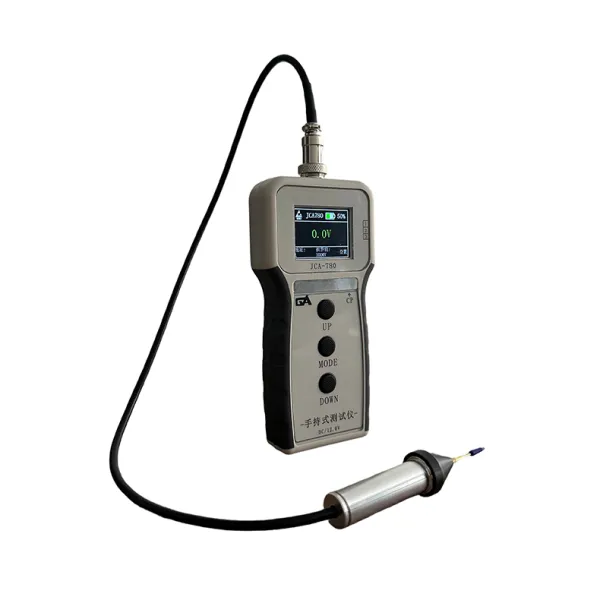 Portable Compact Isolated Conductor Tester - Precise Static Voltage Meter with Touchscreen Operation
 Touch-Operated Handheld ESD Tester - Accurate Static Detection Instrument
 Anti-Static High-Frequency Smart Soldering Station - Industrial-Grade Lead-Free Soldering Iron for Electronic Repair
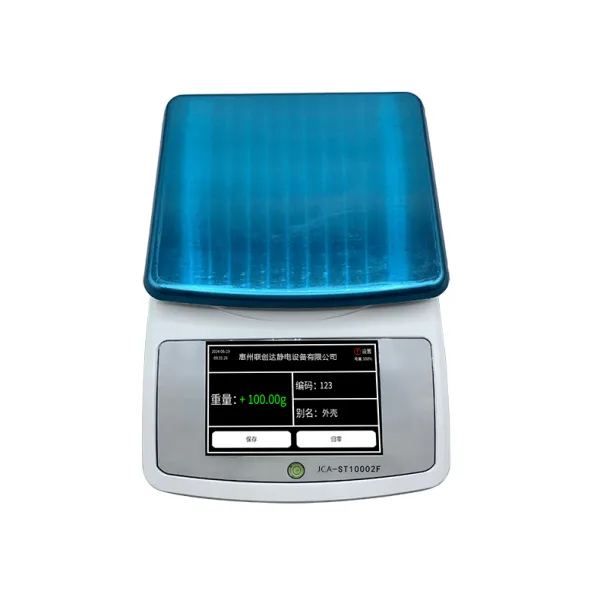 Lightweight Precision Industrial Scale - Portable High-Precision Weighing, QR Code Data Recording
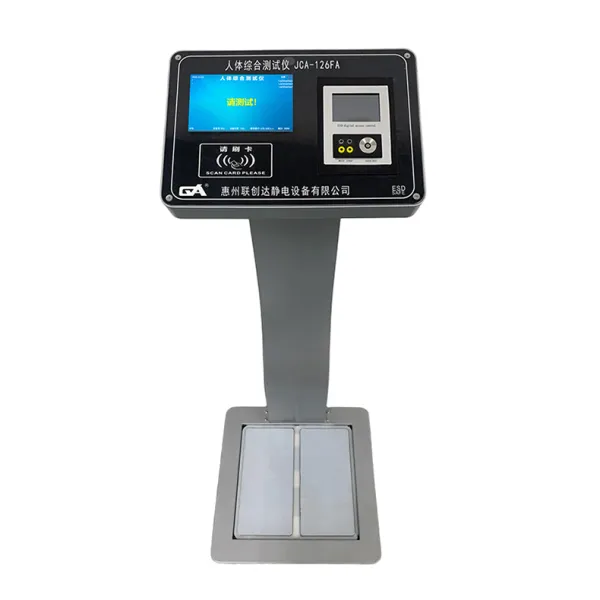 Pro ESD Human Body Comprehensive Tester - Anti-Static Access Gate with Biometric & Card Recognition
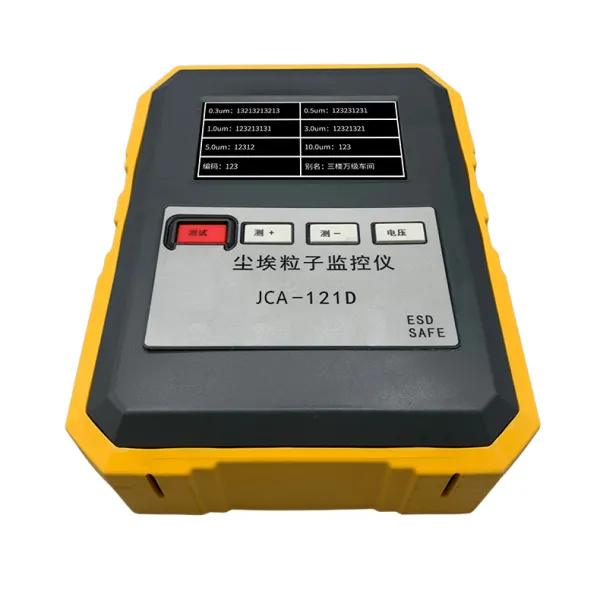 Lianchuangda Portable Particle Counter - Cleanroom-Specific Air Cleanliness Tester
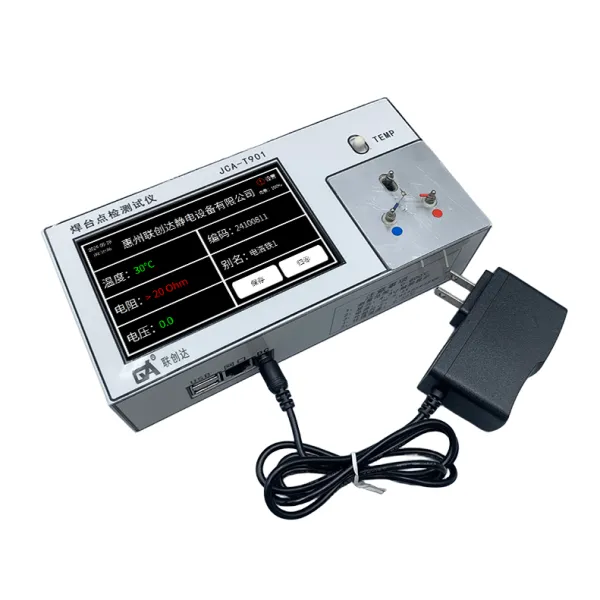 Lianchuangda Environmental Pressure Tester Wireless Digital Display & Grounding Monitoring
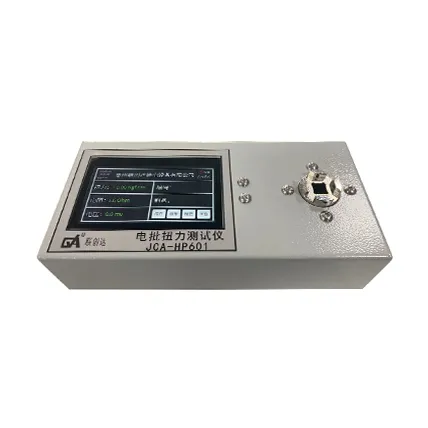 Digital Electric Screwdriver Torque Tester - Precise Measurement, Smart Data Storage
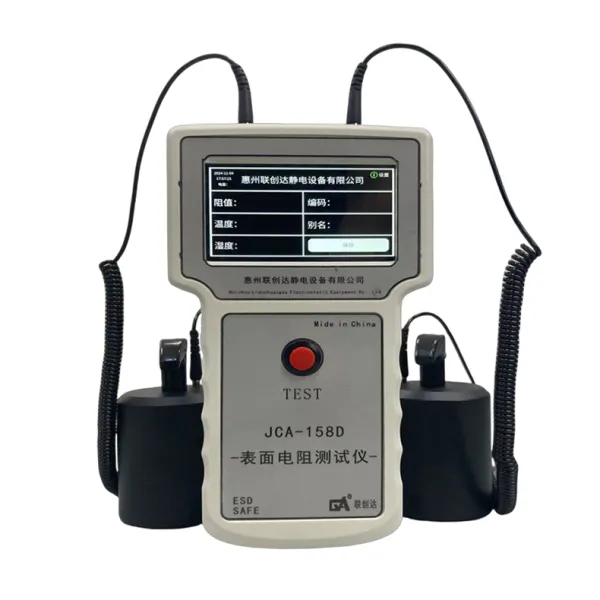 Portable Hammer Surface Resistance Tester - Smart Industrial Megohmmeter with Data Networking
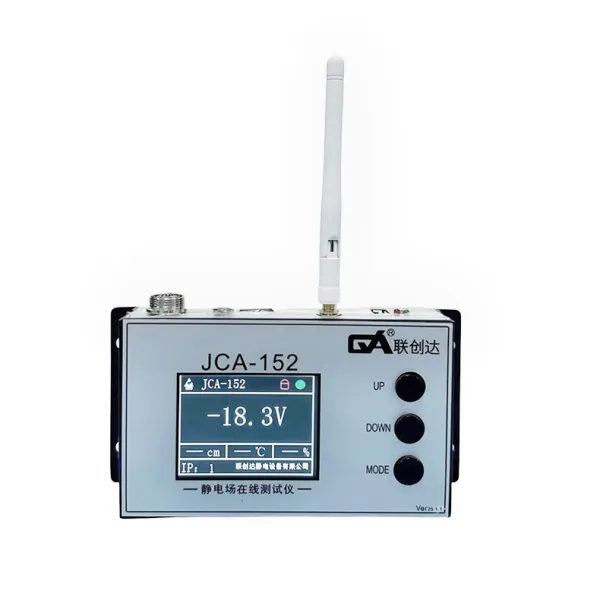 Wireless ESD Field Tester - Real-Time Voltage Monitoring, Easy Installation & Visual Operation
 Color Screen Wireless Ion Fan Static Tester with Voltage Measurement & Data Transmissio
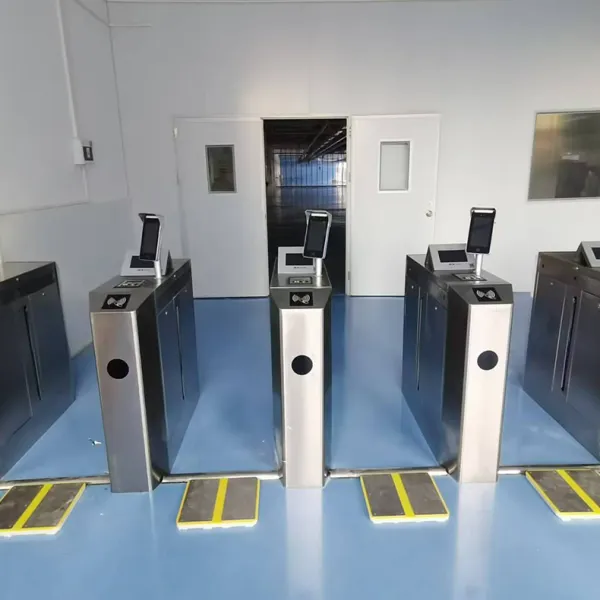 Lianchuangda Test Anti-static Access Control Turnstile JCA-S106 Supports MySQL Database
 Suspended 3-Head DC Ion Fan - Smart Quiet Static Eliminator, Customizable
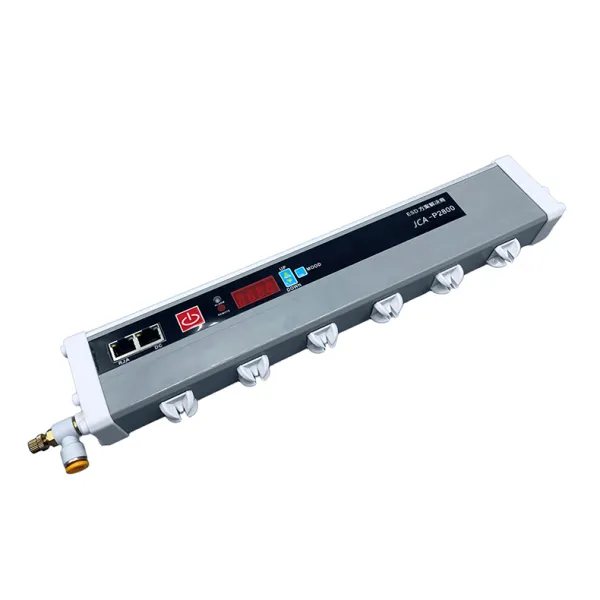 Pulse-Type ESD Ion Air Bar - Industrial-Specific Static Eliminator for ESD Removal
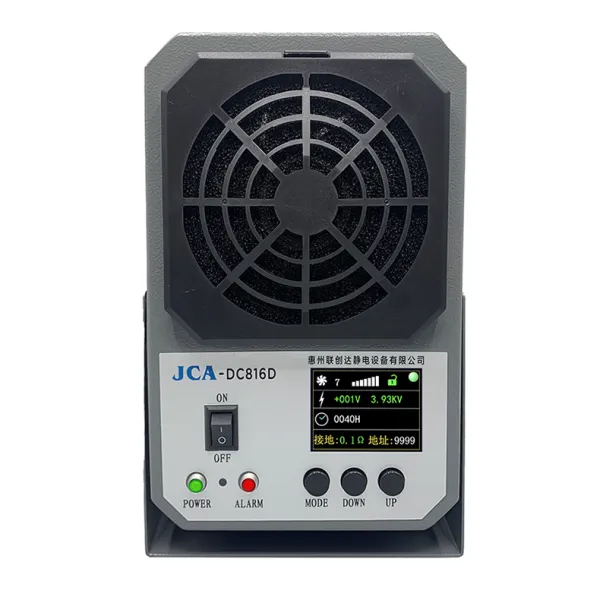 Lianchuangda Smart DC Ion Fan - Industrial-Grade Static Elimination for Factory Workshops
 Desktop DC Single-Head Ion Fan - Professional Static Eliminator with Wireless Network Connectivity
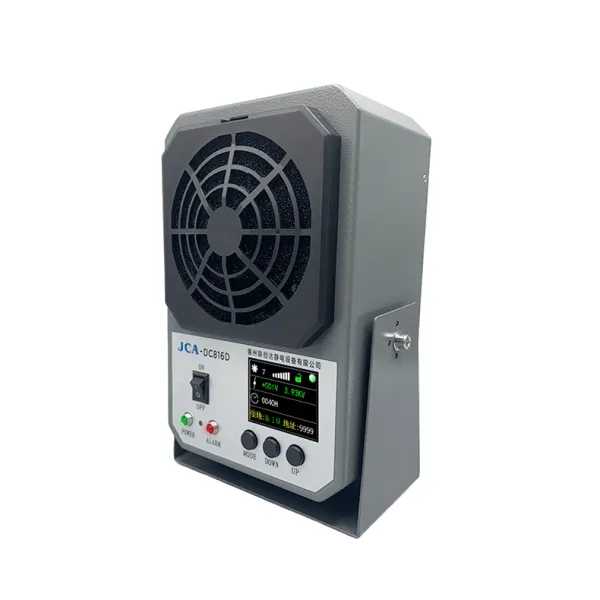 Intelligent DC Ion Fan Manufacturer Workshop Electronic Anti-Static Industrial-Grade Static Elimination Equipment
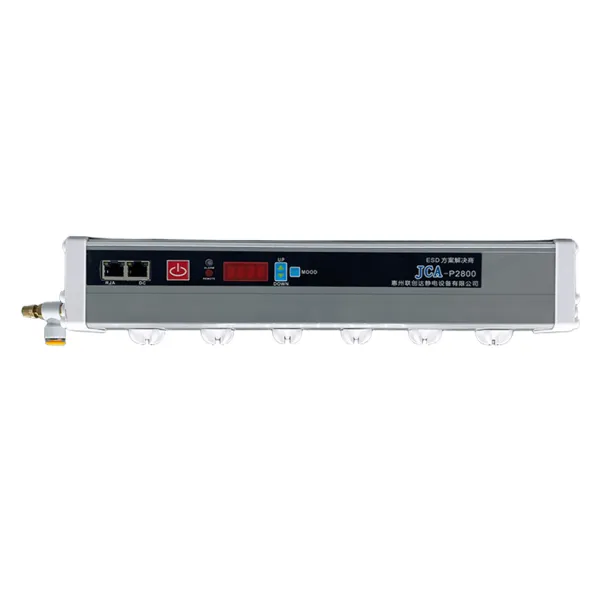 Industrial Static Elimination Pulse-type Anti-static Ion Air Bar Static Eliminator
 2.2-inch color screen three-air outlet ion fan static protection eliminates static electricity
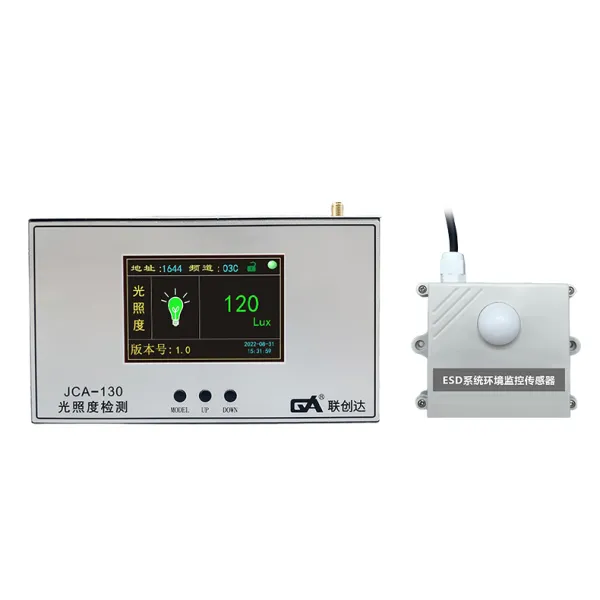 3.5 Inch Color LCD Wireless Digital Lux Meter - High-Precision Environmental Detector with Network Connectivity
 Smart Wireless Noise Detection Alarm System - Digital Tester for Environmental Monitoring with Networking
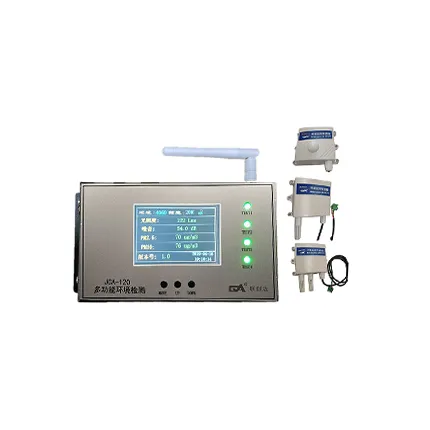 3.5 Inch Color LCD Wireless Multi-Functional Environmental Detector - Dust Particle Tester with WiFi Connectivity
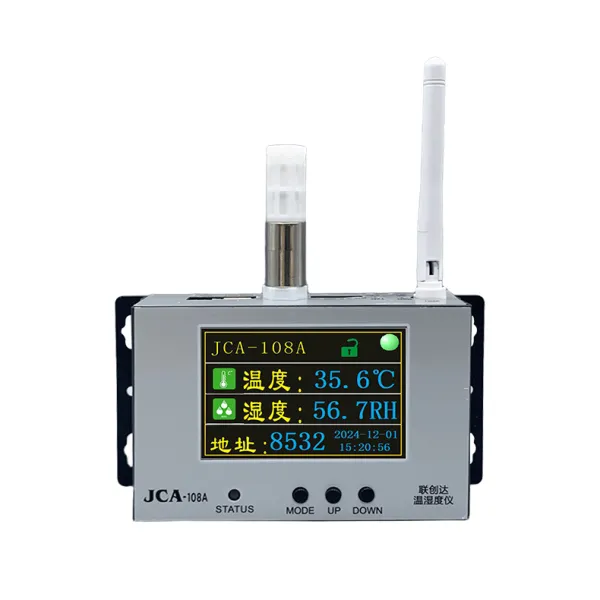 Wireless Temperature & Humidity Monitor - Smart Recorder with Remote Query & Data Transmission
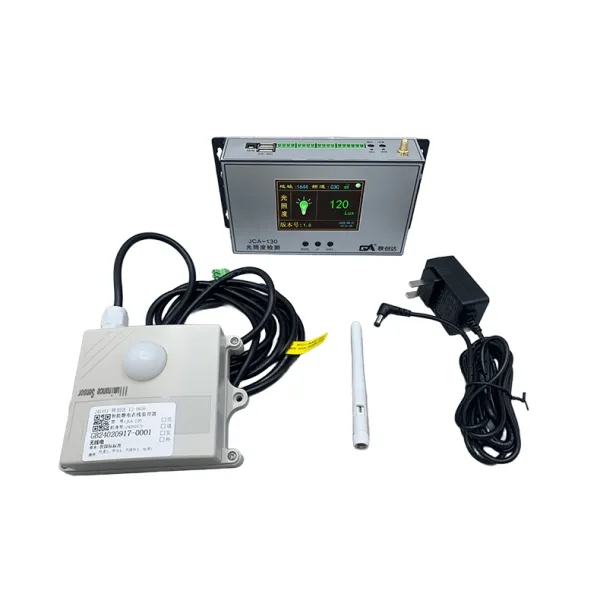 Lianchuangda Wireless Digital Display Illuminance Tester - 3.5-inch LCD Color Screen Dynamic Display High-Precision Environmental Tester



 Whatsapp
 Telefono
Commento
(0)