


 English
 Español
 Portugues
 Pусский
 Français
 Deutsch
 日本語
日本語 한국어
한국어 العربية
 Nederlands
 Polski
 ไทย
ไทย Türk dili
 हिन्दी
 Indonesia
 Melayu
 Tiếng Việt
 বাংলা
বাংলা


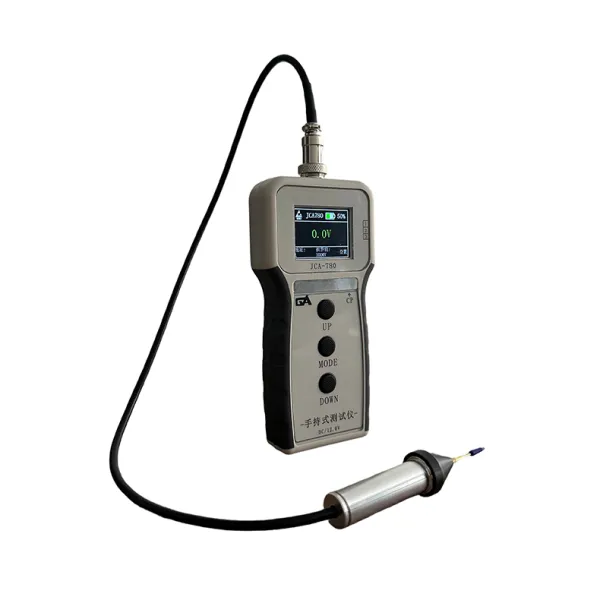


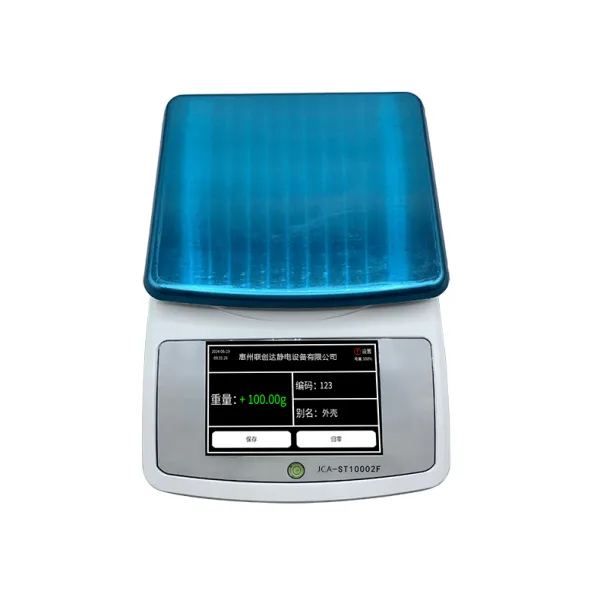
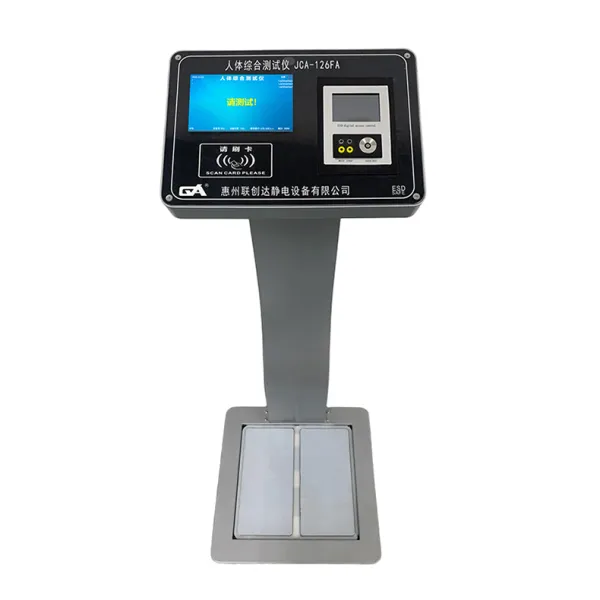
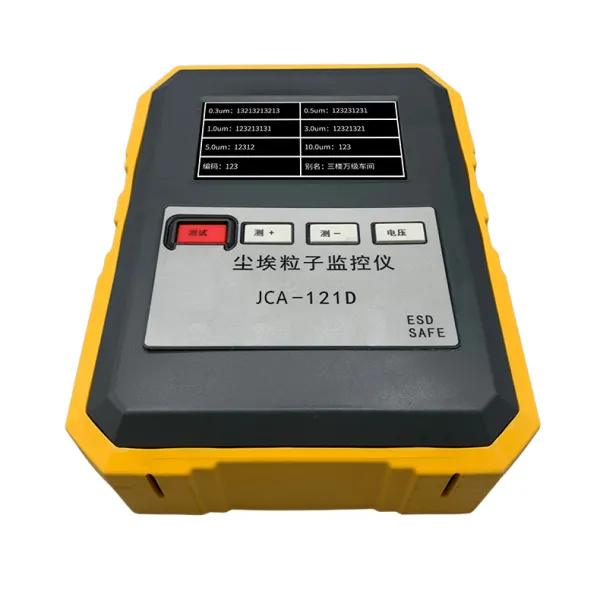
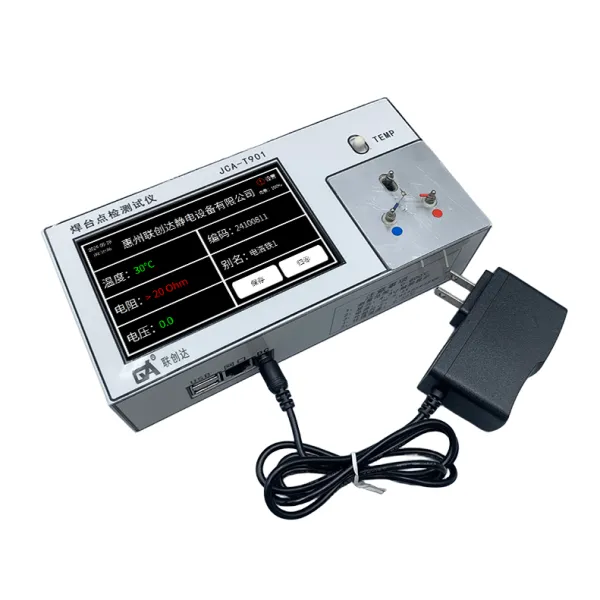
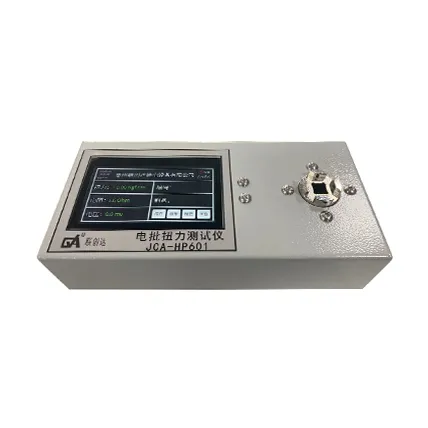
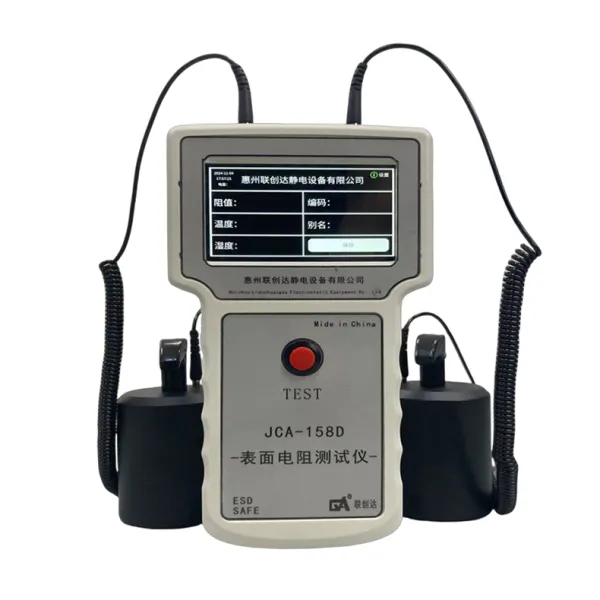
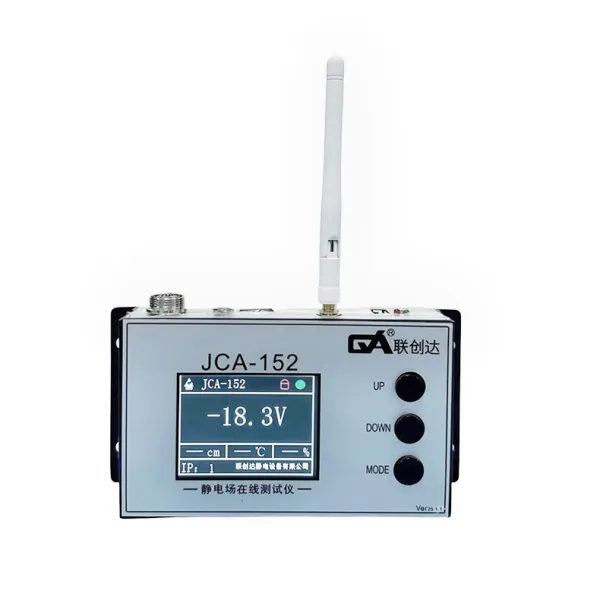

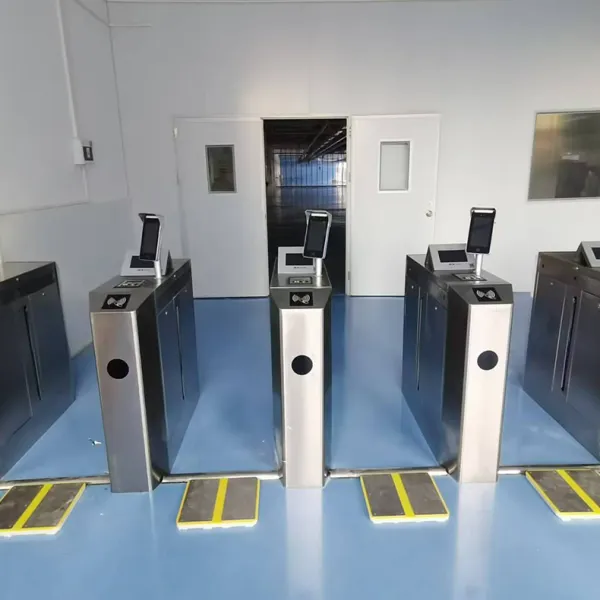

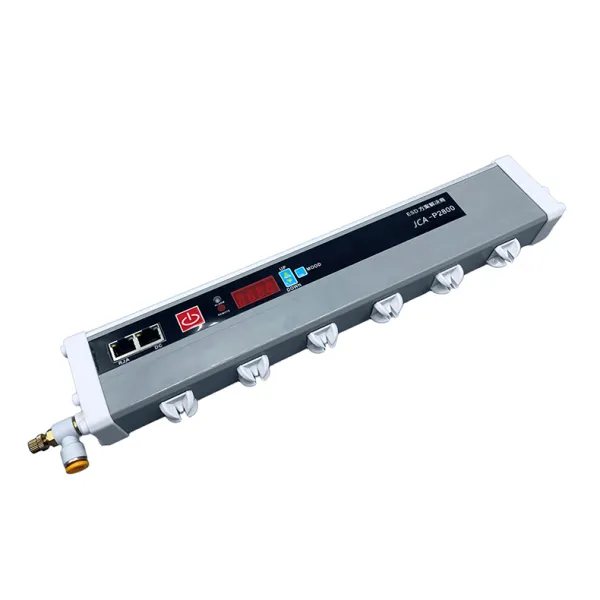
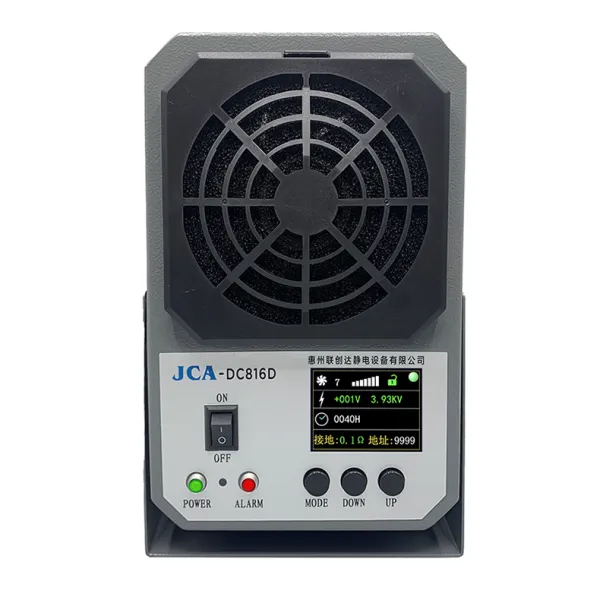

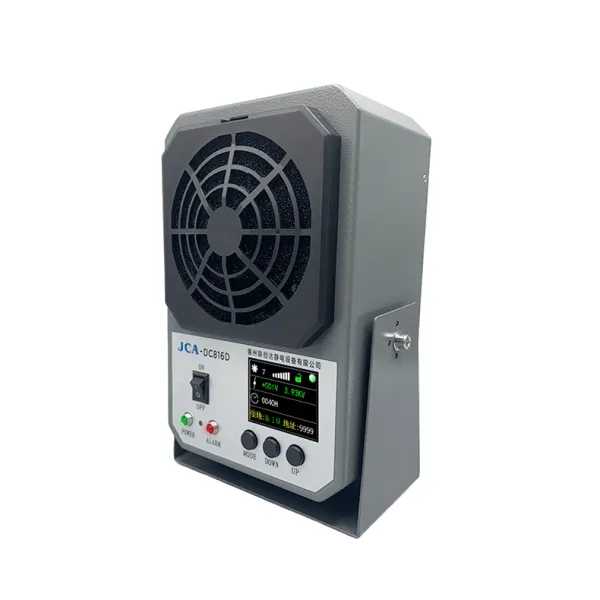
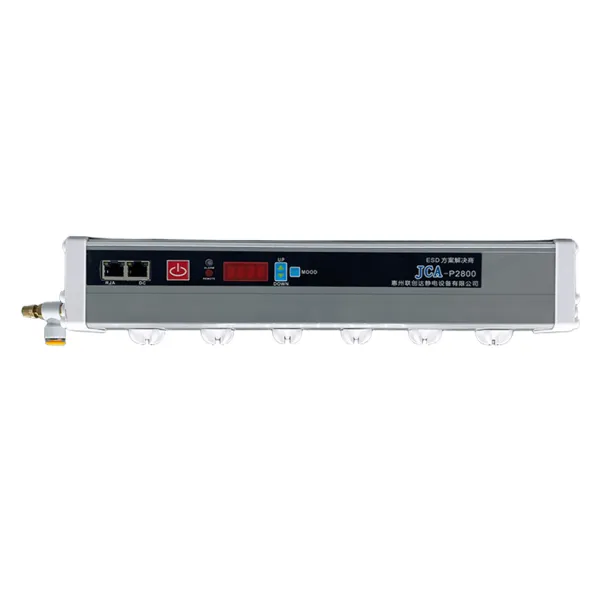

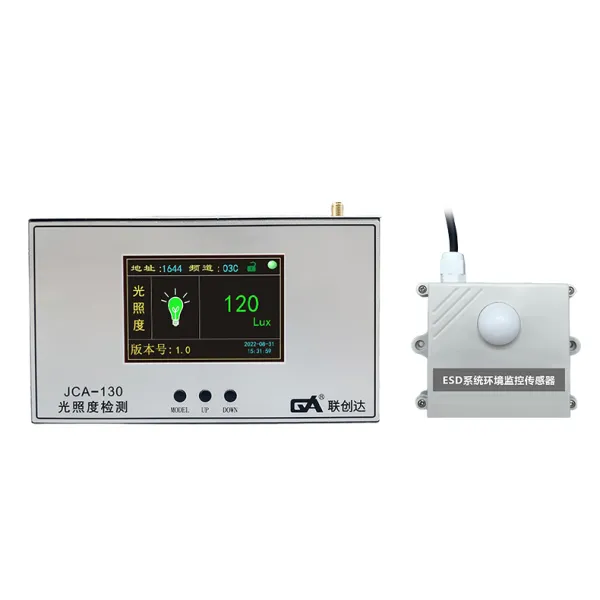

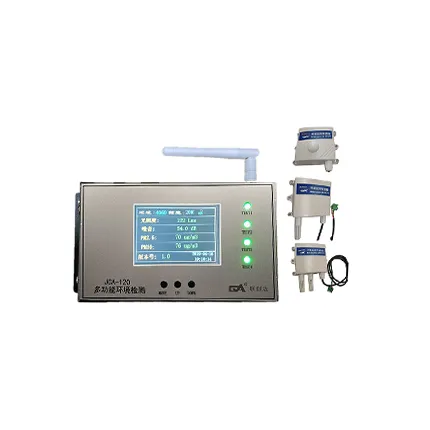
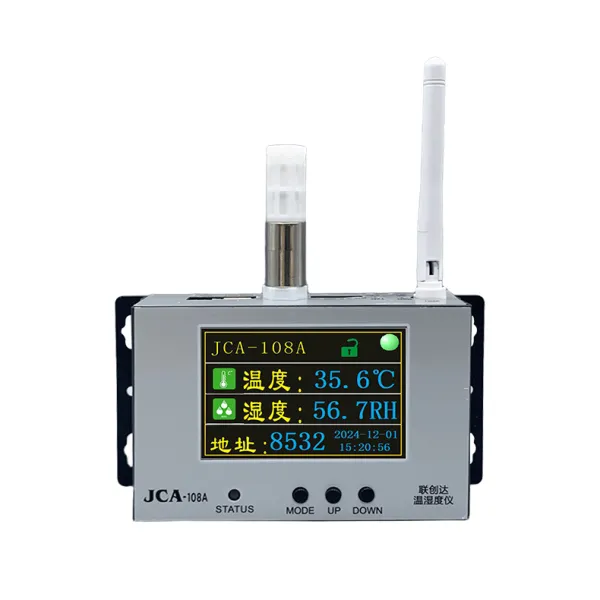
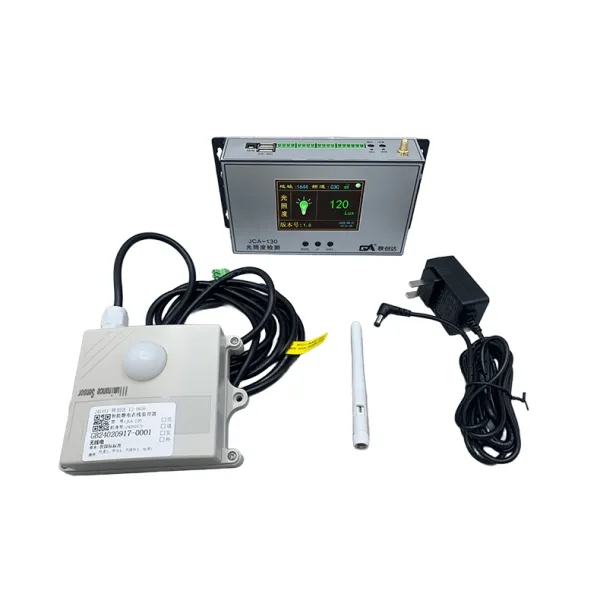


Industrial electrostatic tester
Industrial Electrostatic Tester: Overview and Applications An industrial electrostatic tester is a specialized instrument designed to measure and analyze static electricity in various industrial environments. It plays a critical role in ensuring safety, quality control, and process efficiency in industries where electrostatic discharge (ESD) can cause significant hazards or defects. These testers are widely used in electronics manufacturing, packaging, textiles, automotive, and other sectors where static electricity must be monitored and controlled. Key Features and Functionality Industrial electrostatic testers typically include the following features: 1. Static Voltage Measurement – The device detects and quantifies static charges on surfaces, materials, or products, providing readings in volts (V) or kilovolts (kV). 2. Non-Contact Sensing – Many testers use non-contact probes to measure static without interfering with the material being tested. 3. Data Logging and Analysis – Advanced models offer data storage and real-time monitoring, allowing users to track electrostatic trends over time. 4. Portability and Durability – Designed for industrial use, these testers are often compact, rugged, and resistant to harsh conditions. 5. Alarm Functions – Some devices feature audible or visual alerts when static levels exceed predefined thresholds. Applications in Industry 1. Electronics Manufacturing – Electrostatic discharge can damage sensitive components like semiconductors and circuit boards. Testers help identify ESD risks in workstations and packaging. 2. Packaging and Printing – Static can cause misalignment of labels, film sticking, or dust attraction. Testers ensure static levels are minimized for smooth operations. 3. Textile and Plastics – In textile production, static causes fabric clinging or fiber misalignment. Testers help optimize anti-static treatments. 4. Automotive and Aerospace – Static buildup can affect paint application or fuel handling. Testers assist in maintaining safety standards. 5. Pharmaceuticals and Cleanrooms – Static attracts contaminants, compromising sterile environments. Testers help maintain controlled conditions. Benefits of Using an Electrostatic Tester - Prevents Product Defects – Reduces ESD-related failures in electronics and other sensitive products. - Enhances Workplace Safety – Minimizes fire or explosion risks in flammable environments. - Improves Process Efficiency – Identifies static-related issues early, reducing downtime and waste. - Compliance with Standards – Helps industries meet ESD control regulations (e.g., ANSI/ESD S20.20). Conclusion Industrial electrostatic testers are essential tools for maintaining quality, safety, and efficiency in modern manufacturing. By accurately measuring and controlling static electricity, they help industries mitigate risks, improve product reliability, and optimize production processes. As technology advances, these testers continue to evolve with enhanced precision and connectivity features, further supporting industrial automation and smart manufacturing initiatives.
Prodotto
Classificazione:
Nessun risultato di ricerca!
Notizie
Classificazione:
-
[Technical knowledge]The visualization of industrial electrostatic testers in dai...
2025-12-11 08:19:41
Caso
Classificazione:
Nessun risultato di ricerca!
Video
Classificazione:
Nessun risultato di ricerca!
Scarica
Classificazione:
Nessun risultato di ricerca!
Reclutamento
Classificazione:
Nessun risultato di ricerca!
Prodotti consigliati
Nessun risultato di ricerca!



 Whatsapp
 Telefono