


 English
 Español
 Portugues
 Pусский
 Français
 Deutsch
 日本語
日本語 한국어
한국어 العربية
 Nederlands
 Polski
 ไทย
ไทย Türk dili
 हिन्दी
 Indonesia
 Melayu
 Tiếng Việt
 বাংলা
বাংলা





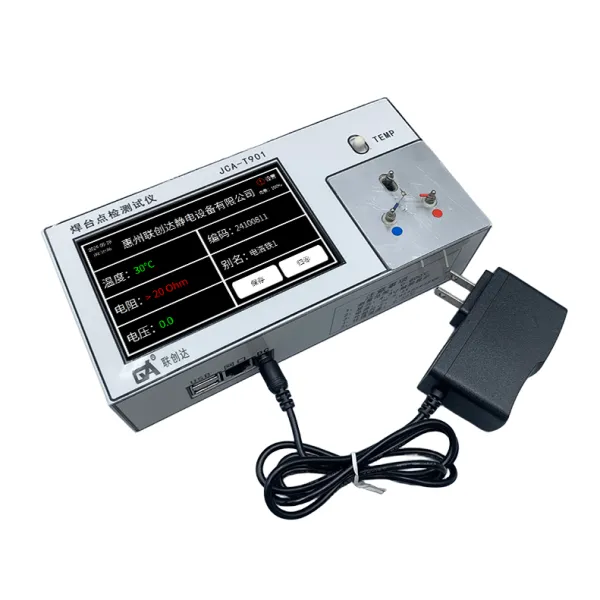









Lead-free soldering station
Lead-Free Soldering Station: A Comprehensive Overview A lead-free soldering station is an essential tool in modern electronics manufacturing and repair, designed to comply with environmental regulations such as RoHS (Restriction of Hazardous Substances). Unlike traditional soldering stations that use lead-based solder, these systems utilize lead-free alloys, which require higher temperatures and more precise control to achieve reliable joints. Key Features 1. Temperature Control Lead-free soldering demands higher melting points (typically 217–227°C for common alloys like SAC305) compared to lead-based solder. A high-quality station features adjustable temperature settings (usually 200–480°C) with rapid heating and stability (±1–2°C) to prevent thermal damage to components. 2. Ergonomic Design The soldering iron is lightweight, with an anti-static tip to protect sensitive components. Many models include a sleep mode or auto-shutoff to enhance safety and energy efficiency. 3. Fast Heat Recovery Lead-free alloys require more heat, so the station must quickly recover temperature after each joint to maintain consistency. Advanced systems use ceramic or metal heating elements for efficient performance. 4. Compatibility The station supports various tip sizes and shapes for different tasks (e.g., fine-pitch SMD work or through-hole components). Interchangeable tips ensure versatility. 5. Safety and Compliance Lead-free stations often include fume extractors or filters to reduce exposure to harmful flux vapors. They also meet international safety standards (e.g., CE, UL). Applications Lead-free soldering stations are widely used in: - Consumer electronics assembly - Automotive and aerospace industries (where lead-free mandates are strict) - PCB prototyping and rework - Educational and research labs Advantages Over Lead-Based Soldering - Eco-Friendly: Eliminates toxic lead, reducing environmental and health risks. - Regulatory Compliance: Meets global RoHS and WEEE directives. - Improved Joint Strength: Properly executed lead-free joints can offer better mechanical reliability under stress. Challenges - Higher Melting Points: Risk of overheating components if not properly calibrated. - Wetting Issues: Lead-free solder may require more flux or specialized techniques for smooth flow. - Tip Wear: The aggressive alloys can degrade tips faster, necessitating frequent replacements. Conclusion A lead-free soldering station is a critical investment for professionals prioritizing environmental responsibility and regulatory adherence. With precise temperature control, robust safety features, and adaptability, it ensures high-quality soldering while addressing the challenges of lead-free alloys. Proper training and maintenance are key to maximizing its performance and longevity.
Prodotto
Classificazione:
Nessun risultato di ricerca!
Notizie
Classificazione:
Nessun risultato di ricerca!
Caso
Classificazione:
Nessun risultato di ricerca!
Video
Classificazione:
Nessun risultato di ricerca!
Scarica
Classificazione:
Nessun risultato di ricerca!
Reclutamento
Classificazione:
Nessun risultato di ricerca!
Prodotti consigliati
Nessun risultato di ricerca!



 Whatsapp
 Telefono